
Exploring the Geometry of Outcomes
About The Geometry of Outcomes
The Work
The Geometry of Outcomes is an intellectual framework exploring how small structural forces shape long-term results.
Most outcomes are evaluated at the moment they become visible — success, failure, collapse, breakthrough. But by the time outcomes appear, their direction has already been set.


Direction becomes destiny long before outcomes appear.
The Geometry of Outcomes explores the structural forces that quietly shape individuals, institutions, and systems — long before success or failure becomes visible.
Explore the Series
The Drift Series
The Hidden Forces Series
The Drift Series
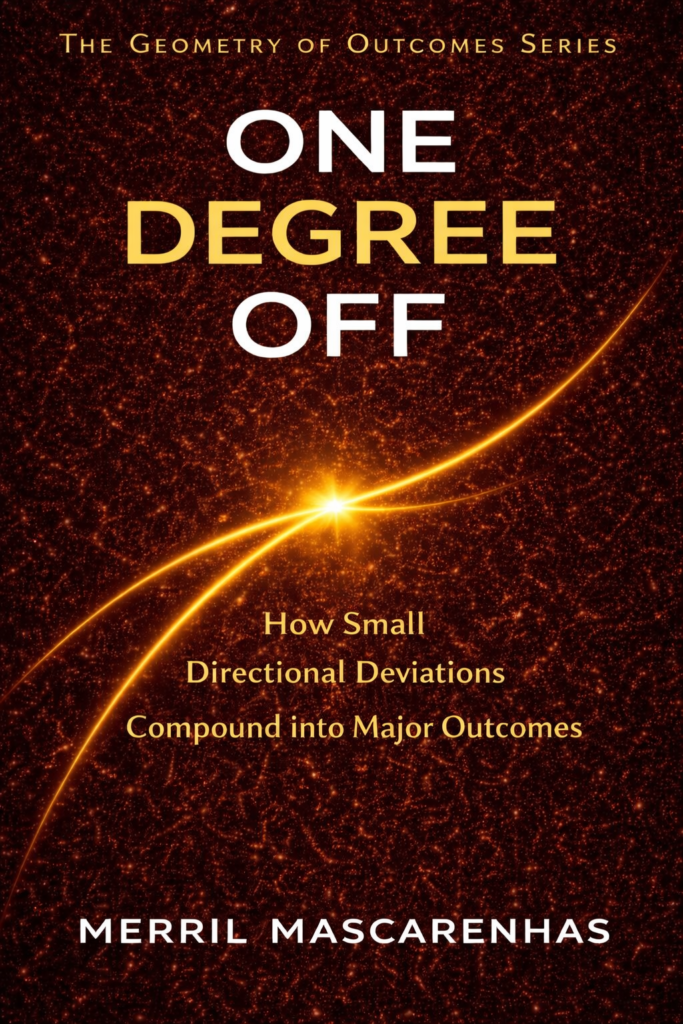
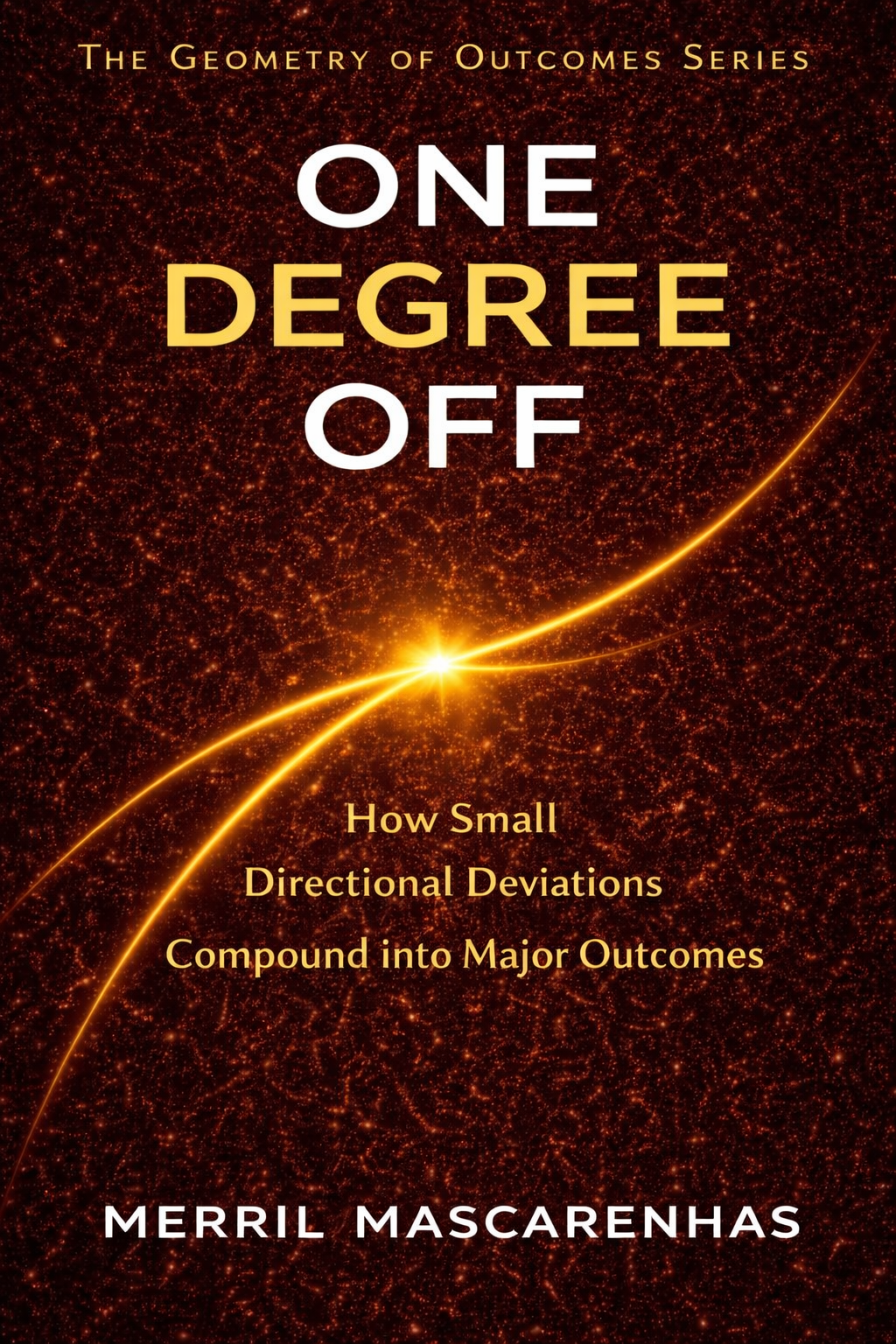
- One Degree Off
- The Drift Effect
The Hidden Forces Series
- The Silent Variable
- The Framework
The Recovery Series
- The Signal
- The Tipping Point of Drift
- The Correction
The Mastery Series
- The Counterforce
- Compounding Paths
- The Long Horizon
Drift has already occurred.
Variables have already compounded.
Friction has already been removed — or applied.
Timing has already been misjudged.
The Geometry of Outcomes examines the architecture beneath consequence.
It studies how direction, incremental change, invisible variables, compounding decisions, timing, and friction interact over time to shape where individuals, organizations, and institutions ultimately arrive.
This platform does not offer motivational slogans or productivity shortcuts.
It offers structural clarity.
The Core Thesis
Failure rarely begins with catastrophe.
It begins with subtle deviation.
A standard softened.
A risk tolerated.
An incentive misaligned.
A safeguard removed.
Sustained over time, these forces redesign trajectories.
The Geometry of Outcomes provides a lens for seeing those forces early — before drift hardens into consequence.
The Series
The four-book series explores this framework through distinct structural lenses:
- One Degree Off — Small deviations compound into major directional shifts.
- The Drift Effect — Slow change reshapes institutions long before collapse.
- The Silent Variable — What goes unmeasured often governs outcomes.
- The Framework — the underlying mechanics that connect them
Each volume stands alone. Together, they form a unified system.
Why This Work Exists
In leadership, governance, markets, and public institutions, the most dangerous forces are rarely dramatic.
They are incremental.
Procedural.
Reasonable.
Until they are not.
The Geometry of Outcomes exists to make those forces visible.
It is designed for executives, policymakers, founders, investors, and long-term thinkers who care about where decisions ultimately lead.
Outcomes are not accidents.
They are angles.